


चंद्रमा धीरे-धीरे पृथ्वी से दूर क्यों जा रहा है?
चंद्रमा हर साल पृथ्वी से लगभग 3.8 सेंटीमीटर दूर चला जाता है। यह लगभग उतनी ही गति है जितनी तेजी से हमारे नाखून बढ़ते हैं। सुनने में यह दूरी बहुत छोटी लगती है, लेकिन करोड़ों वर्षों में यही छोटा बदलाव हमारे आकाश और पृथ्वी दोनों को बदल सकता है।
तो आखिर चंद्रमा लगातार दूर क्यों जा रहा है? और इसका पृथ्वी पर रहने वाले जीवन पर क्या प्रभाव पड़ता है?
यह कहानी ज्वार-भाटा, ऊर्जा के आदान-प्रदान और पृथ्वी-चंद्रमा के बीच चल रहे एक धीमे लेकिन अनवरत नृत्य की है।
चंद्रमा पृथ्वी से दूर क्यों जा रहा है?
इसका सरल उत्तर है ज्वारीय बल (Tidal Forces)।
चंद्रमा का गुरुत्वाकर्षण पृथ्वी को अपनी ओर खींचता है। इसका सबसे अधिक प्रभाव समुद्रों पर पड़ता है, जिससे चंद्रमा की ओर वाले हिस्से में पानी का उभार बनता है। इसी तरह पृथ्वी के दूसरी ओर भी एक दूसरा उभार बनता है।
पृथ्वी अपनी धुरी पर बहुत तेजी से घूमती है, जबकि चंद्रमा पृथ्वी की परिक्रमा अपेक्षाकृत धीमी गति से करता है। इसलिए पृथ्वी इन जल उभारों को अपने घूमने की दिशा में थोड़ा आगे खींच लेती है।
यही छोटा-सा अंतर बहुत बड़ा असर पैदा करता है।
यह अतिरिक्त जल-द्रव्यमान चंद्रमा को उसकी कक्षा में हल्का-सा आगे की ओर धक्का देता है। इस धक्के से चंद्रमा की कक्षीय ऊर्जा बढ़ जाती है और वह धीरे-धीरे ऊंची तथा बड़ी कक्षा में पहुंचने लगता है।
दूसरी ओर, यही प्रक्रिया पृथ्वी की घूर्णन गति को बहुत थोड़ा धीमा कर देती है।
अर्थात पृथ्वी अपनी घूर्णन ऊर्जा खोती है और चंद्रमा अपनी कक्षीय ऊर्जा बढ़ाकर धीरे-धीरे दूर चला जाता है। प्रकृति इसी तरह ऊर्जा का संतुलन बनाए रखती है।
वैज्ञानिकों को कैसे पता चला कि चंद्रमा दूर जा रहा है?
इतनी विशाल दूरी को आंखों से मापना संभव नहीं है। इसके लिए वैज्ञानिकों ने एक अनोखी तकनीक अपनाई।
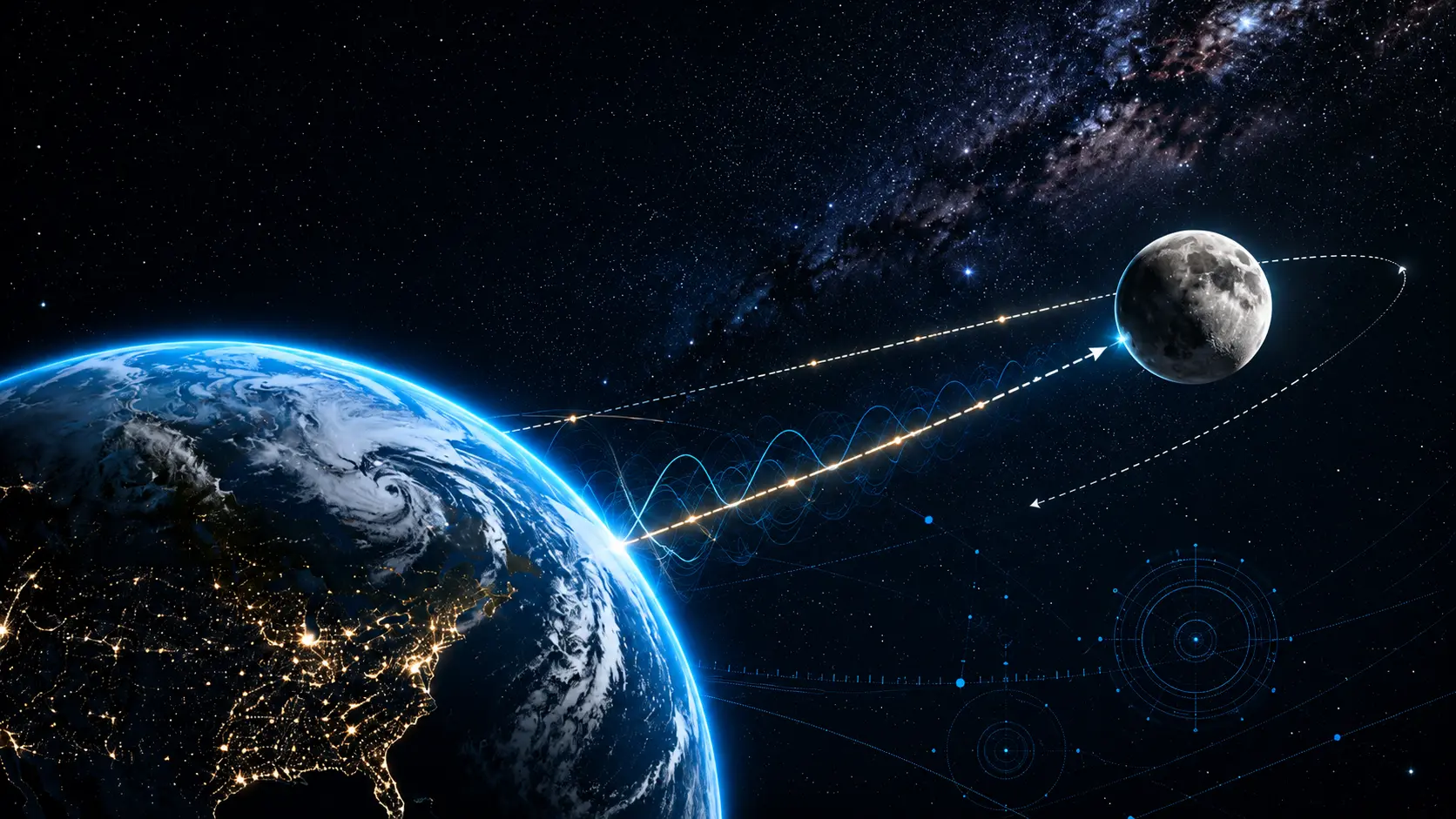
1969 में अपोलो 11 मिशन के अंतरिक्ष यात्रियों ने चंद्रमा पर केवल झंडा ही नहीं लगाया था, बल्कि एक विशेष रिट्रोरिफ्लेक्टर (Retroreflector) यानी दर्पणों का पैनल भी स्थापित किया था।
बाद के अपोलो मिशनों और कुछ सोवियत अभियानों ने भी ऐसे दर्पण चंद्रमा पर लगाए।
अब वैज्ञानिक पृथ्वी से एक शक्तिशाली लेजर किरण चंद्रमा की ओर भेजते हैं। यह किरण दर्पण से टकराकर वापस लौटती है। प्रकाश को आने-जाने में लगने वाला समय मापकर वैज्ञानिक पृथ्वी और चंद्रमा के बीच की दूरी बेहद सटीकता से निकाल लेते हैं।
पूरा सफर लगभग 2.5 सेकंड में पूरा होता है।
इस तकनीक को लूनर लेजर रेंजिंग (Lunar Laser Ranging) कहा जाता है, जो दूरी को कुछ मिलीमीटर की सटीकता तक माप सकती है।
दशकों से किए गए इन मापों से लगातार यही पता चला है कि चंद्रमा हर वर्ष लगभग 3.8 सेंटीमीटर दूर जा रहा है।
यही प्रयोग आइंस्टीन के गुरुत्वाकर्षण सिद्धांतों की जांच में भी महत्वपूर्ण भूमिका निभाते हैं।
इसका पृथ्वी पर क्या प्रभाव पड़ता है? 1. पृथ्वी के दिन लंबे होते जा रहे हैं
चंद्रमा के दूर जाने से पृथ्वी की घूर्णन गति धीरे-धीरे कम हो रही है।
आज के समय में एक सदी में दिन की लंबाई लगभग 2 मिलीसेकंड बढ़ जाती है।
यह बदलाव इतना छोटा है कि हम इसे महसूस नहीं कर सकते, लेकिन करोड़ों वर्षों में इसका प्रभाव काफी बड़ा हो जाता है।
वैज्ञानिकों के अनुसार प्रारंभिक पृथ्वी पर एक दिन केवल 6 घंटे का होता था। डायनासोरों के समय भी एक दिन लगभग 23 घंटे का रहा होगा।
2. समुद्री ज्वार-भाटा बदल रहे हैं
ज्वार-भाटा चंद्रमा के गुरुत्वाकर्षण के कारण बनते हैं।
जैसे-जैसे चंद्रमा दूर जाएगा, उसका गुरुत्वाकर्षण थोड़ा कमजोर होगा और ज्वार-भाटे की तीव्रता भी धीरे-धीरे कम होगी।
समुद्री जीवों का जीवन ज्वार-भाटा पर काफी निर्भर करता है, इसलिए लंबे समय में इसका प्रभाव समुद्री पारिस्थितिकी तंत्र पर भी पड़ सकता है।
3. पृथ्वी का घूर्णन लगातार धीमा हो रहा है
पृथ्वी एक घूमते हुए लट्टू की तरह है जो समय के साथ थोड़ा-थोड़ा धीमा होता जा रहा है।
वैज्ञानिक इस बदलाव को परमाणु घड़ियों (Atomic Clocks) की मदद से मापते हैं।
कभी-कभी समय को पृथ्वी की वास्तविक घूर्णन गति के साथ मिलाने के लिए Leap Second भी जोड़ा जाता है।
क्या चंद्रमा कभी पृथ्वी को छोड़ देगा?
इसका उत्तर है नहीं।
जैसे-जैसे चंद्रमा दूर जाएगा, पृथ्वी का गुरुत्वाकर्षण कमजोर तो होगा लेकिन कभी समाप्त नहीं होगा।
वैज्ञानिकों का मानना है कि भविष्य में चंद्रमा का दूर जाना धीरे-धीरे और धीमा हो जाएगा।
एक समय ऐसा आ सकता है जब पृथ्वी का एक दिन उतना ही लंबा होगा जितना आज चंद्रमा की एक परिक्रमा होती है। इस स्थिति को पारस्परिक ज्वारीय लॉक (Mutual Tidal Lock) कहा जाता है।
यदि ऐसा हुआ तो पृथ्वी के एक हिस्से से चंद्रमा हमेशा आकाश में एक ही स्थान पर दिखाई देगा, जबकि दूसरे हिस्से से वह कभी दिखाई ही नहीं देगा।
रोचक बात यह है कि आज चंद्रमा पहले से ही पृथ्वी के साथ ज्वारीय रूप से लॉक है। इसी कारण हमें हमेशा चंद्रमा का एक ही हिस्सा दिखाई देता है।
हालांकि इस स्थिति तक पहुंचने में अरबों वर्ष लग सकते हैं और संभव है कि उससे पहले सूर्य का विकास पूरे सौर मंडल को बदल दे।
चंद्रमा और उसकी कक्षा से जुड़े रोचक तथ्य
-
चंद्रमा हर साल लगभग 3.8 सेंटीमीटर पृथ्वी से दूर जा रहा है।
-
प्रारंभिक पृथ्वी पर एक दिन केवल 6 घंटे का था।
-
अपोलो मिशनों द्वारा लगाए गए दर्पण आज भी काम कर रहे हैं।
-
पृथ्वी से भेजी गई लेजर किरण चंद्रमा तक पहुंचते-पहुंचते लगभग 6.5 किलोमीटर चौड़ी हो जाती है।
-
लगभग 60 से 65 करोड़ वर्षों बाद पृथ्वी पर पूर्ण सूर्य ग्रहण होना बंद हो सकता है।
-
पृथ्वी पर नियमित ज्वार-भाटा का मुख्य कारण चंद्रमा का गुरुत्वाकर्षण है।
-
लेजर प्रयोग यह भी साबित करते हैं कि गुरुत्वाकर्षण की शक्ति समय के साथ स्थिर बनी रहती है।
मिथक और तथ्य मिथक:
चंद्रमा इतनी तेजी से दूर जा रहा है कि हमारे जीवनकाल में गायब हो जाएगा।
तथ्य:
वह केवल 3.8 सेंटीमीटर प्रति वर्ष की दर से दूर जा रहा है, जो बेहद धीमी गति है।
मिथक:
एक दिन चंद्रमा अंतरिक्ष में पूरी तरह उड़ जाएगा।
तथ्य:
पृथ्वी का गुरुत्वाकर्षण उसे हमेशा अपनी कक्षा में बनाए रखेगा।
मिथक:
इस बदलाव का पृथ्वी पर कोई प्रभाव नहीं पड़ता।
तथ्य:
यह धीरे-धीरे दिन की लंबाई, ज्वार-भाटा और पृथ्वी की घूर्णन गति को प्रभावित करता है।
मिथक:
वैज्ञानिक केवल गणना के आधार पर अनुमान लगाते हैं।
तथ्य:
लेजर तकनीक से मिलीमीटर स्तर की सटीक माप की जाती है।
मिथक:
यह हाल ही में हुई नई खोज है।
तथ्य:
वैज्ञानिक 1960 के दशक के अंत से इस प्रक्रिया को लगातार माप रहे हैं।
यह खोज महत्वपूर्ण क्यों है?
चंद्रमा का धीरे-धीरे दूर जाना केवल एक रोचक तथ्य नहीं है।
इससे वैज्ञानिक समझ पाते हैं कि ग्रह और उनके उपग्रह अरबों वर्षों में कैसे विकसित होते हैं।
पृथ्वी-चंद्रमा प्रणाली का अध्ययन अन्य ग्रहों और उनके चंद्रमाओं को समझने में भी मदद करता है।
इसी जानकारी के आधार पर वैज्ञानिक यह अनुमान लगाते हैं कि अतीत में चंद्रमा पृथ्वी के कितना करीब था, उस समय दिन कितने लंबे होते थे, ज्वार-भाटा कैसे थे और पृथ्वी की जलवायु कैसी रही होगी।
यह अध्ययन चंद्रमा की उत्पत्ति से जुड़े उस सिद्धांत को भी मजबूत करता है जिसके अनुसार प्रारंभिक पृथ्वी से एक विशाल टक्कर के बाद चंद्रमा का निर्माण हुआ था।
निष्कर्ष
चंद्रमा हमें हमेशा से आकाश का एक स्थिर हिस्सा लगता है। हर रात वह लगभग उसी स्थान पर दिखाई देता है, लेकिन वास्तव में वह कभी स्थिर नहीं रहा।
चंद्रमा का पृथ्वी से धीरे-धीरे दूर जाना ऊर्जा के एक शांत लेकिन लगातार चलने वाले आदान-प्रदान का परिणाम है, जो चार अरब वर्षों से अधिक समय से जारी है।
ज्वार-भाटा पृथ्वी की गति को थोड़ा धीमा करते हैं और उसी ऊर्जा के कारण चंद्रमा हर साल कुछ सेंटीमीटर और दूर चला जाता है।
यह हमें याद दिलाता है कि ब्रह्मांड में कुछ भी पूरी तरह स्थिर नहीं है। कभी-कभी बदलाव इतने धीमे होते हैं कि हमें वे स्थिर दिखाई देते हैं, लेकिन समय की विशाल धारा में वही छोटे परिवर्तन पूरे ब्रह्मांड की कहानी लिखते हैं।
Why the Moon Is Slowly Moving Away From Earth
The Moon moves about 3.8 cm farther from Earth each year. That is close to the speed your nails grow. It sounds tiny. But add it up over millions of years, and it changes our whole sky.
So why does the Moon keep drifting off? What does this slow goodbye mean for life on Earth?
This is the story of why the Moon is slowly moving away from Earth. It is a story of tides, energy, and a slow dance that never stops.
Why Is the Moon Moving Away?
The short answer is tidal forces. The longer answer is more fun.
The Moon's pull tugs on Earth. It pulls hardest on the sea water that faces it. This pull makes a bulge of water on that side of Earth. A second bulge forms on the far side too.
Earth spins much faster than the Moon orbits us. So our planet drags these water bulges ahead of the Moon as it spins. Picture a kid who spins a hula hoop while she runs. The hoop lags just a bit behind her spin.
This bulge does not point right at the Moon. It points just ahead, in the way Earth spins. That small shift matters a lot.
The bulge's extra mass tugs on the Moon like a soft push on its back. This push speeds the Moon up in its path. A faster Moon needs more space, so it drifts into a higher, wider orbit.
At the same time, the bulge drags back on Earth. This slows our spin, just a tiny bit. Think of it like rubbing your hand on a spinning top.
This whole swap moves energy from one place to another. Earth loses spin energy. The Moon gains orbit energy and climbs higher. Nature keeps things in balance, even out in space.
This is the heart of the Earth-Moon system. It keeps shifting, year by year, with no one steering it at all.
How Do Scientists Know the Moon Is Moving Away?
You can't just eyeball a gap this huge. Scientists needed a smart trick. They found one in the Apollo missions.
In 1969, the Apollo 11 crew left something behind on the Moon. It was not a flag. It was a small panel of mirrors. We call this a retroreflector.
Later Apollo flights left more of these mirror panels. Soviet probes left some too. Together, these form a small web of mirrors on the Moon.
Here is the trick. Scientists on Earth fire a laser at the Moon. The beam hits a mirror and bounces back. They time this trip and work out the exact gap.
Light moves fast. But the Moon sits far away. The full trip takes about 2.5 seconds. Out of trillions of light bits sent, only a few bounce back and get caught.
We call this method lunar laser ranging. It can find the Moon's distance down to a few millimeters. This sharp tool lets us track the Moon's slow drift with real trust.
Year by year, the data tells the same tale. The Moon creeps about 3.8 cm farther out. This number comes from decades of laser tests, not one lucky guess.
These same laser tests also help check Einstein's ideas on gravity. Scientists began this work over 50 years ago. It still runs today.
What Happens to Earth Because of This?
The Moon's slow drift changes Earth bit by bit, over a vast span of time.
First, our days grow longer. Right now, this adds about two milliseconds each century. That gap stays far too small to feel in daily life.
But spread this out over hundreds of millions of years, and it adds up fast. Long ago, one day on Earth lasted just six hours. Dinosaurs likely lived through days near 23 hours, not our 24.
Second, ocean tides shift as the Moon creeps away. Tide strength ties to how hard the Moon pulls on Earth. A Moon that sits farther out pulls just a bit less over time.
This matters more than you might think. Coast life leans on tide patterns. Many sea creatures time their meals and moves around the tides.
Third, Earth's spin slows down, bit by bit. Our planet acts like a top that loses pep from rub and drag. The Moon's pull on our seas drives most of this slow-down.
Scientists track this spin shift with atomic clocks. Once in a while, they add a "leap second" to world time. This keeps clocks lined up with Earth's true spin speed.
None of this hits us fast. But it shows how tied the Earth-Moon system truly stays.
Will the Moon Ever Leave Earth?
Here is the good news. The Moon will not drift off and vanish into space.
As the Moon moves out, Earth's pull on it grows weak. But this pull never hits zero. The Moon's speed and Earth's pull will, in time, find a kind of balance.
Scientists think the Moon's outward creep will slow down over time, not speed up. Once Earth's day matches the Moon's full orbit, the two lock in place. We call this state mutual tidal lock.
If that day comes, Earth's spin would take as long as one Moon month does now. From one side of Earth, the Moon would sit fixed in the sky. It would never rise or set. From the other side, no one would ever see it at all.
This may sound odd, but the Moon does this to Earth right now. The Moon stays tidally locked to us. That is why we always see the same Moon face from Earth.
In real terms, this full lock may take many billion years, if it ever comes at all. Our own Sun will likely change the inner solar system long before that point.
So there is no sudden goodbye. Just a slow, steady drift that plays out over a truly huge stretch of time.
Fun Facts About the Moon and Its Orbit
-
The Moon creeps away from Earth at about 3.8 cm a year, close to the speed your nails grow.
-
Early Earth's day lasted just six hours, back when the Moon sat much closer.
-
The mirror panels from Apollo still work today, over 50 years on.
-
A laser beam aimed at the Moon spreads out to about 6.5 km wide once it lands.
-
In about 600 to 650 million years, full solar eclipses will no longer occur on Earth.
-
The Moon's pull is the main reason Earth gets steady tides each day.
-
Laser tests on the Moon also show that gravity's strength stays steady over time.
Myths vs Facts About the Moon Moving Away
Myth: The Moon drifts so fast that we will lose it in our own lifetime.
Fact: The Moon creeps just 3.8 cm a year. That stays too slow to feel without sharp tools.
Myth: Once the Moon drifts far enough, it will fly off into deep space.
Fact: Earth's pull will always hold the Moon in some path. The drift should slow, not turn into an escape.
Myth: The Moon's slow move has no real effect on Earth.
Fact: It slowly shifts day length, tide strength, and Earth's spin speed over deep time.
Myth: Scientists just guess this gap with rough math.
Fact: Laser tests on the Moon give millimeter-level facts, built from decades of real data.
Myth: This is some brand-new find from recent years.
Fact: Scientists have tracked this drift since the late 1960s, right after Apollo crews left mirrors on the Moon.
Why This Discovery Matters
The Moon's slow retreat is not just a fun fact for trivia night. It helps scientists grasp how planets and moons change together over billions of years.
The same rules play out for other planets and their moons too. What we learn from the Earth-Moon system gives scientists a model to test on other worlds.
This work also lets us look back in time. Once we know the Moon's path today, scientists can guess how close it once sat, and how Earth's days, tides, and climate may have looked back then.
It even ties to the Moon's birth story. Most experts think a huge crash made the Moon, early in Earth's life. Tracking its slow drift now helps back up and refine that idea.
In short, one small fact links sky science, rock science, and the long story of our planet into one neat, ongoing tale.
Conclusion
The Moon feels like a fixed, well-known piece of our sky. It has hung there through each sunrise and sunset in our memory. Yet it has never once stood still.
Why the Moon is slowly moving away from Earth comes down to a quiet swap of energy that has run for over four billion years. Tides push. Earth slows down. The Moon creeps a bit farther out with each passing year.
Even the Moon, the most known sight in our night sky, sits inside a universe that never stops shifting. It just moves slow enough for us to call it still.
Tags :
- Moon
- MoonFacts
- MoonScience
- MoonOrbit
- EarthAndMoon
- EarthMoonSystem
- WhyTheMoonIsMovingAway
- MoonMovingAway
- LunarScience
- LunarLaserRanging
- Apollo11
- ApolloMissions
- NASA
- SpaceScience
- Astronomy
- Astrophysics
- SolarSystem
- OuterSpace
- Universe
- Cosmos
- TidalForces
- Gravity
- EarthScience
- Physics
- SpaceFacts
- ScienceFacts