



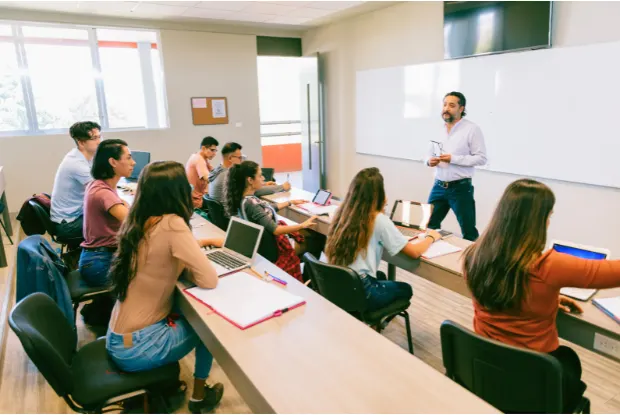
Effective Evaluation Techniques for Teachers to Improve Student Learning
In today’s fast-paced, technology-driven world, engaging students in the classroom is more challenging than ever. Traditional teaching methods are often insufficient to capture the attention and interest of modern learners who are constantly exposed to digital and interactive content.
To meet these challenges, educators must adopt innovative, student-centered teaching strategies that not only improve engagement but also enhance learning outcomes. Below are some proven classroom techniques that help teachers create interactive and effective learning environments.
What Are the Most Effective Ways to Engage Students in the Classroom?
The most effective strategies include gamification, project-based learning, flipped classrooms, collaborative learning, and technology integration. These approaches encourage participation, creativity, and critical thinking.
1. Gamification of Learning
Gamification in education involves incorporating game elements such as points, badges, levels, and leaderboards into academic activities. This makes learning more enjoyable and motivating for students.
Benefits of Gamification:
-
Increases student motivation and participation
-
Encourages healthy competition
-
Improves focus and knowledge retention
Popular Gamification Tools:
-
Kahoot!
-
Quizizz
These tools turn assessments and revision sessions into fun, competitive learning experiences.
2. Project-Based Learning (PBL)
Project-Based Learning (PBL) allows students to gain knowledge by working on real-world and meaningful projects. This approach promotes deeper understanding and practical application of concepts.
Why Project-Based Learning Is Effective:
-
Develops critical thinking and problem-solving skills
-
Encourages collaboration and communication
-
Connects classroom learning with real-life scenarios
Example: Designing a sustainable garden for the school using concepts from science, mathematics, and social studies.
3. Flipped Classroom Model
In a flipped classroom, students learn theoretical concepts at home through video lectures or digital resources. Classroom time is then used for discussions, hands-on activities, and problem-solving.
Advantages of a Flipped Classroom:
-
More interactive classroom sessions
-
Personalized learning support
-
Deeper exploration of topics
4. Collaborative Learning
Collaborative learning encourages students to work together in small groups to achieve shared learning goals. This method strengthens both academic and social skills.
Effective Collaborative Activities:
-
Group projects
-
Peer reviews
-
Study groups and discussions
Collaborative learning helps develop communication, teamwork, and leadership skills essential for future success.
5. Incorporating Technology in Education
Integrating educational technology into the classroom significantly improves student engagement and understanding.
Technology Tools That Enhance Learning:
-
Smartboards and tablets
-
Educational apps and learning platforms
-
Virtual Reality (VR) and Augmented Reality (AR)
These tools provide immersive and visual learning experiences, making complex topics easier to understand.
Frequently Asked Questions (AEO Section) Why is student engagement important in education?
Student engagement improves concentration, academic performance, confidence, and long-term retention of knowledge.
How can teachers make learning more interactive?
Teachers can use gamification, group activities, digital tools, and real-world projects to increase classroom interaction.
Which teaching strategy works best for modern learners?
A blended approach combining technology, collaboration, and active learning strategies works best.
Conclusion
In a rapidly evolving educational environment, engaging students requires innovative, research-backed teaching strategies that go beyond traditional classroom methods. Approaches such as gamification, project-based learning, flipped classrooms, collaborative learning, and thoughtful technology integration help create interactive and meaningful learning experiences.
At Fukey Education, we are committed to supporting educators with modern learning solutions, skill-based approaches, and technology-enabled resources that empower both teachers and students. Our mission is to foster engaging classrooms that nurture creativity, critical thinking, and lifelong learning, preparing learners for success in an ever-changing world.

Be the first to comment on this post.